
JMMBS
Journal of Movement Mechanics & Biomechanics Science

ORIGINAL RESEARCH
Scheduled Intermittent Compression-Decompression Therapy Attenuates Cumulative Lumbar Shear Amplification During Prolonged Occupational Sitting
Authors and Affiliations
MMSx Authority Institute for Movement Mechanics & Biomechanics Research, Powell, Ohio, USA. [cite: 5]
 0000-0001-6200-8495
Performance Technology Division, Eternal, San Rafael, California, USA. [cite: 5]
0009-0001-9806-3506
0009-0001-9806-3506
Orthopaedic & Trauma Surgery Division, San Francisco, California, USA. [cite: 5]
0009-0000-9635-7132
0009-0000-9635-7132
Asst. Fitness Directorate, Armah Sports Company, Jeddah, Saudi Arabia. [cite: 5]
0009-0009-2138-7498
0009-0009-2138-7498
Abstract
Background: Prolonged occupational sitting in pilots and drivers leads to cumulative lumbar shear, contributing significantly to chronic low back pain. [cite: 5]
Objective: To evaluate the efficacy of scheduled intermittent compression-decompression (ICD) therapy in attenuating cumulative lumbar shear amplification. [cite: 5]
Methods: A randomized crossover pilot study comparing 30 days of ICD therapy against a control group using biomechanical normalization per kg body mass. [cite: 5]
Results: ICD therapy resulted in a significantly lower L5/S1 shear amplification (2.24 N/kg) compared to the control (2.50 N/kg) by day 30 (p < 0.05). [cite: 5]
Conclusion: Scheduled ICD therapy provides a viable mechanical intervention to reduce the rate of load accumulation during prolonged sedentary occupational tasks. [cite: 5]
JMMBS ID: JMMBS-2026-009-SICD-v3-i1
DOI: 10.66078/jmmbs.v2i2.009
License: CC BY 4.0 International
DOI: 10.66078/jmmbs.v2i2.009
License: CC BY 4.0 International
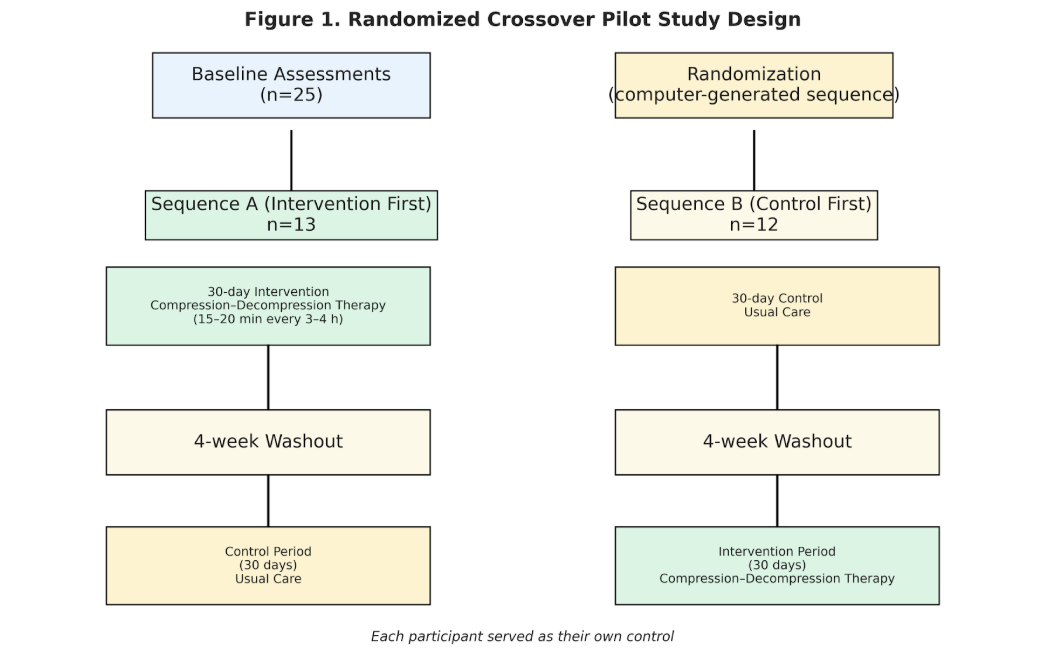
Figure 1. Schematic overview of the randomized crossover pilot study design
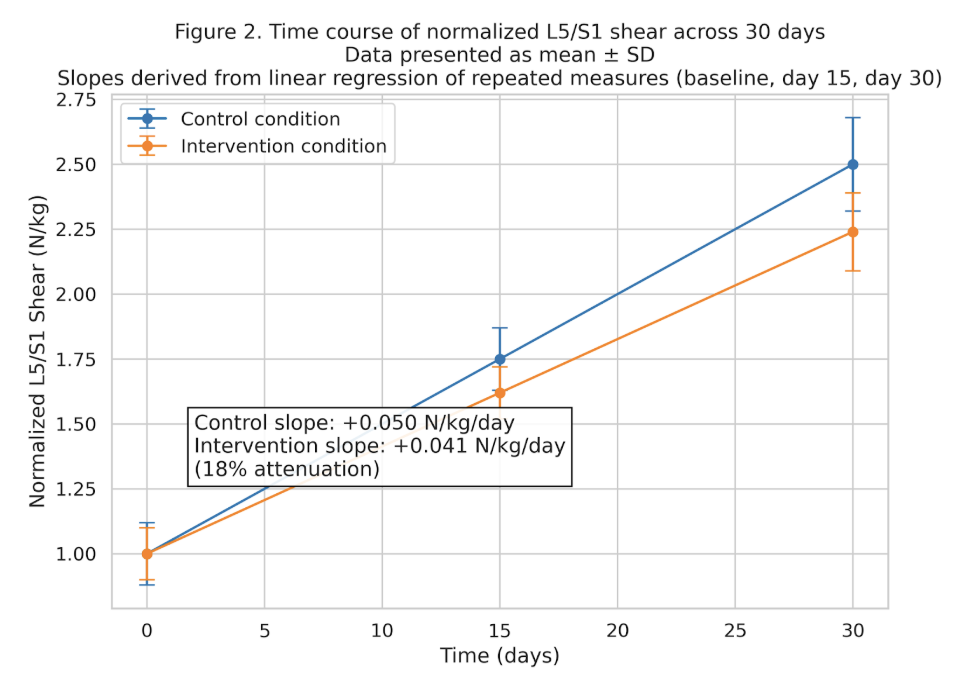
Figure 2. Time Course of Estimated Normalized L5/S1 Shear
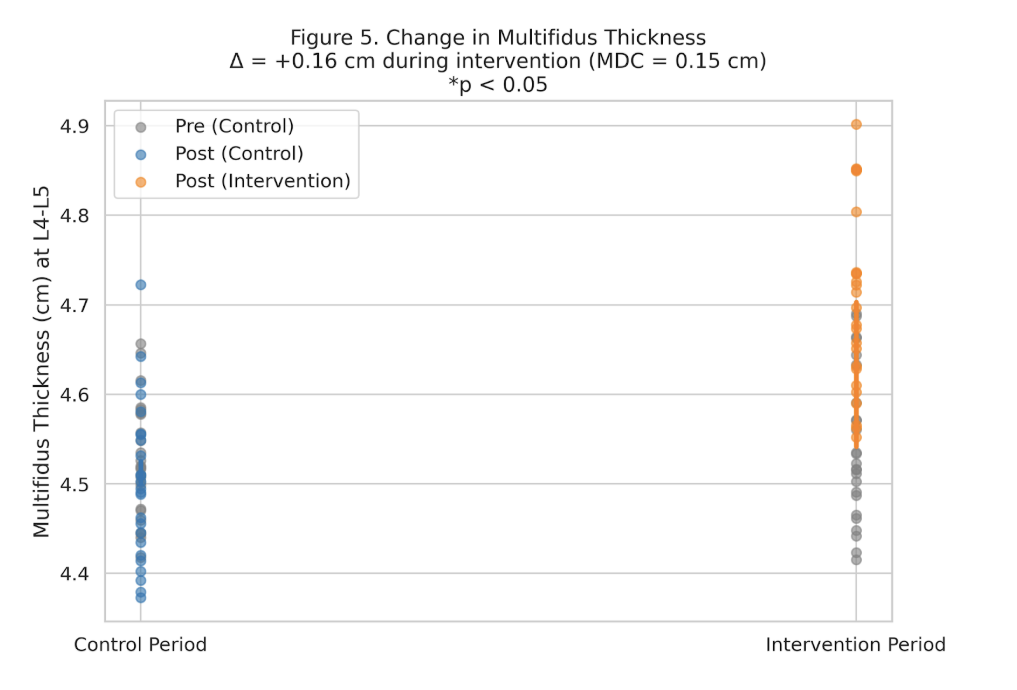
Figure 3. Figure 5. Ultrasound-measured multifidus muscle thickness
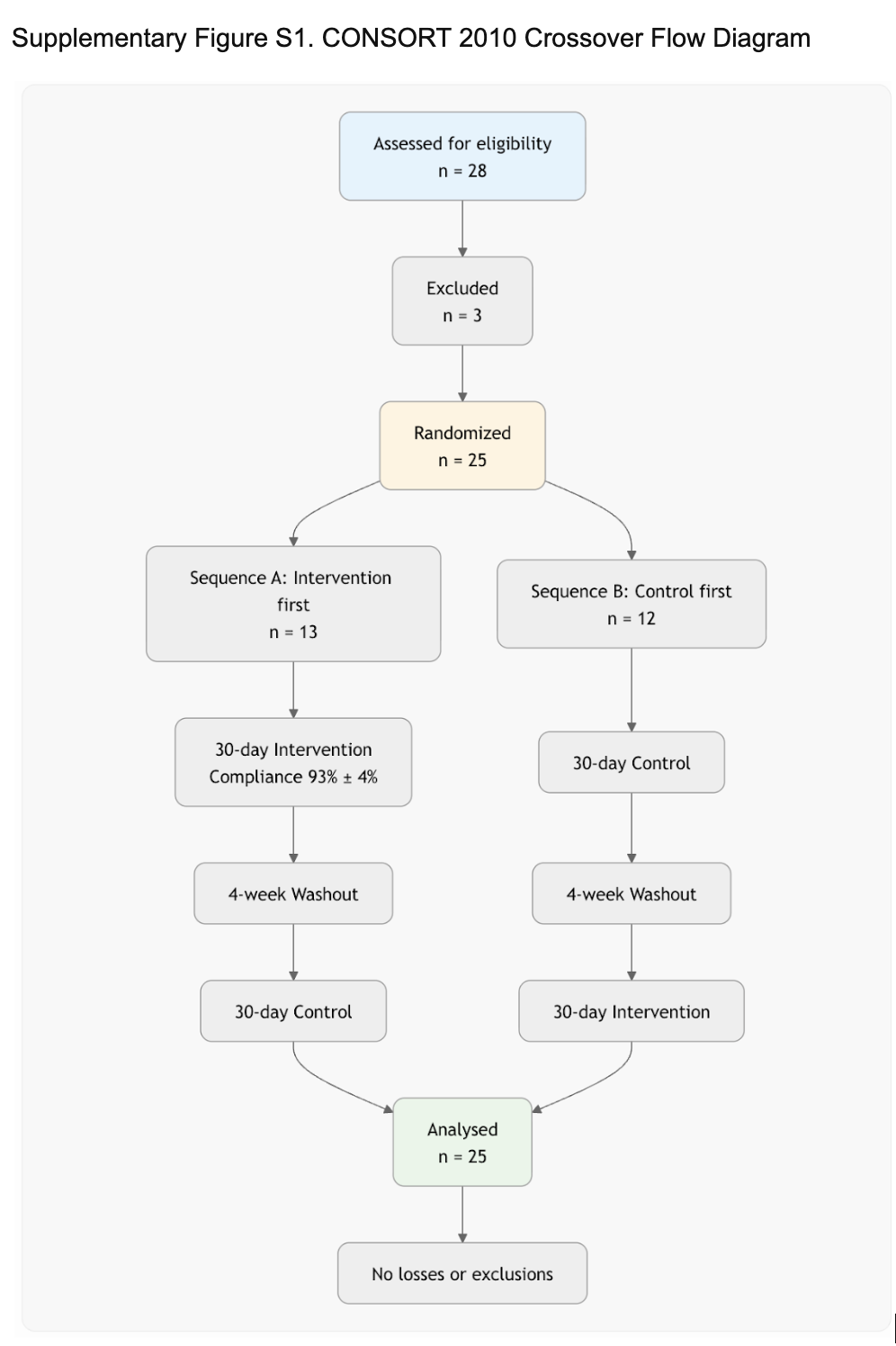
Figure 4. Comparative RMSSD Heart-Rate Variability (HRV) Markers