
JMMBS
Journal of Movement Mechanics & Biomechanics Science

REVIEW ARTICLE
AI Biomechanics Analysis Software: Technological Foundations, Mechanical Interpretation, and Practical Applications
Authors and Affiliations
MMSx Authority Institute for Movement Mechanics & Biomechanics Research, Powell, Ohio, USA.
 0000-0001-6200-8495
0000-0001-6200-8495
MMSx Authority Institute for Movement Mechanics & Biomechanics Research.
0009-0005-7485-1427
0009-0005-7485-1427
Technical Research Division, MMSx Authority Institute, USA.
0000-0001-7809-6311
0000-0001-7809-6311
Article Identifiers
JMMBS ID: JMMBS-2026-AI-v3-i1
DOI: 10.66078/jmmbs.v3i1.010
License: CC BY 4.0 International
DOI: 10.66078/jmmbs.v3i1.010
License: CC BY 4.0 International
Abstract
Background: AI-based biomechanics analysis integrating computer vision and machine learning is transforming motion analysis from laboratory-based marker systems to scalable, markerless real-world video assessment using standard inputs.
Methods: This article examines the technological foundations and the translation of kinematic pose data into mechanical insights via force vector orientation, torque distribution, and kinetic chain coordination within the MMSx framework.
Validation: We evaluate reliability challenges associated with markerless analysis, highlighting typical MAE ranges and the future integration of multimodal sensor fusion including wearables and force systems.
Conclusion: AI software significantly expands access to movement science but depends on rigorous validation and integration with established biomechanical principles governing human movement.
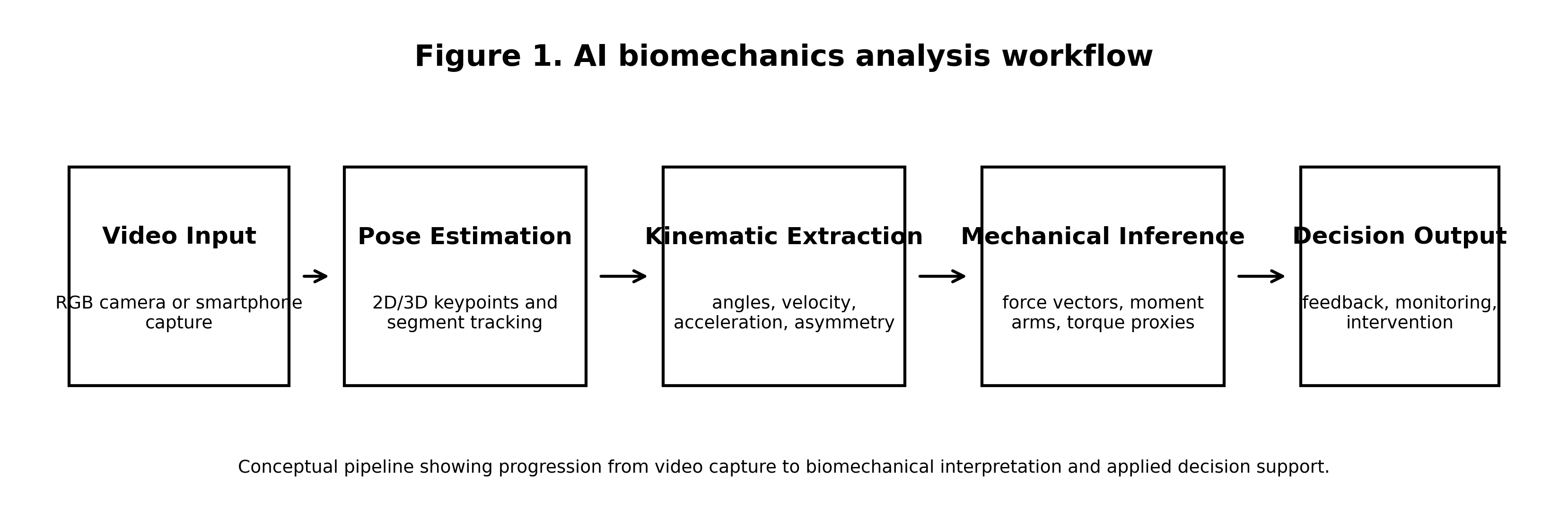
Figure 1 — AI biomechanics analysis workflow and pose estimation
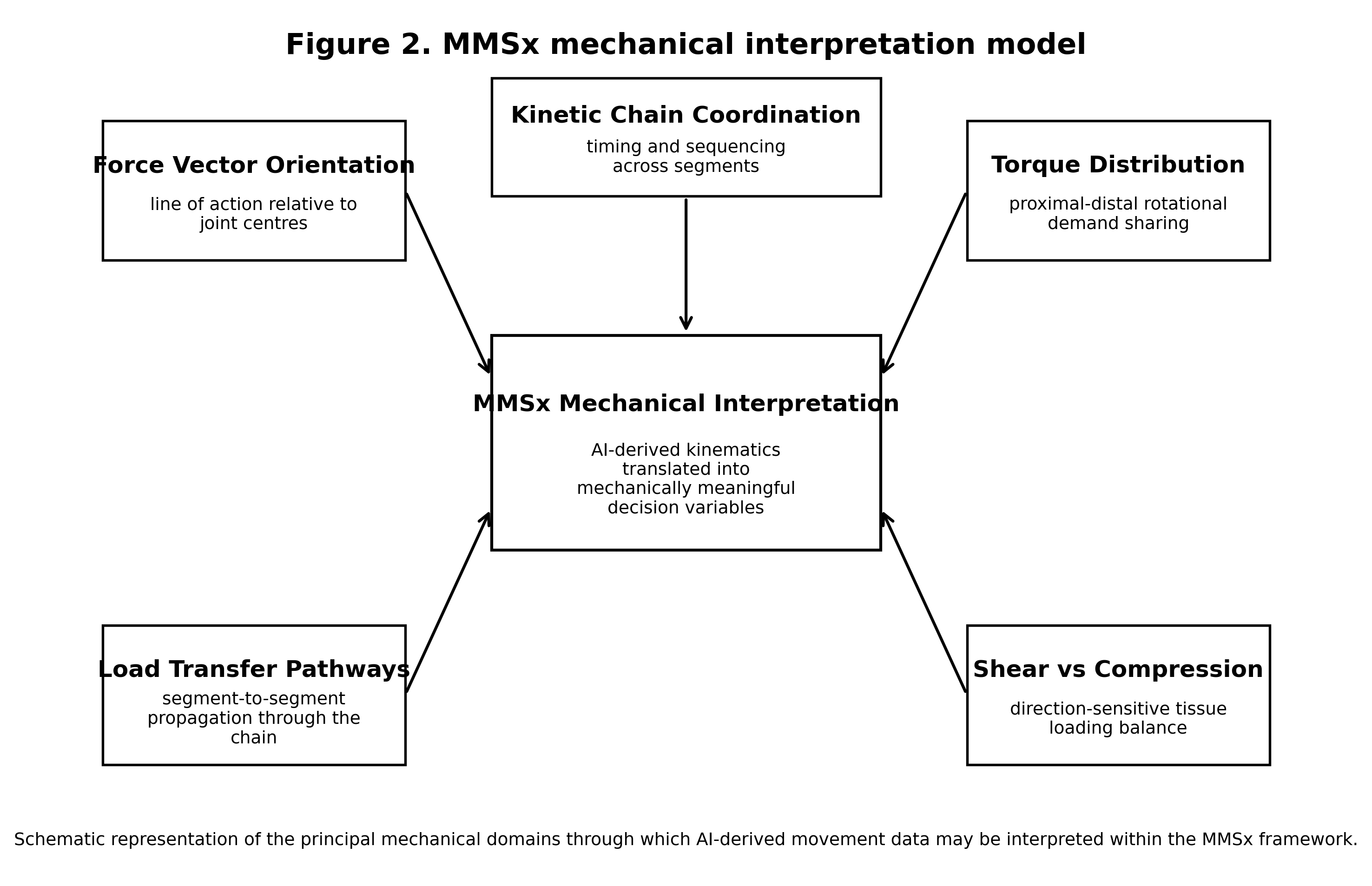
Figure 2 — MMSx mechanical interpretation and force vector models
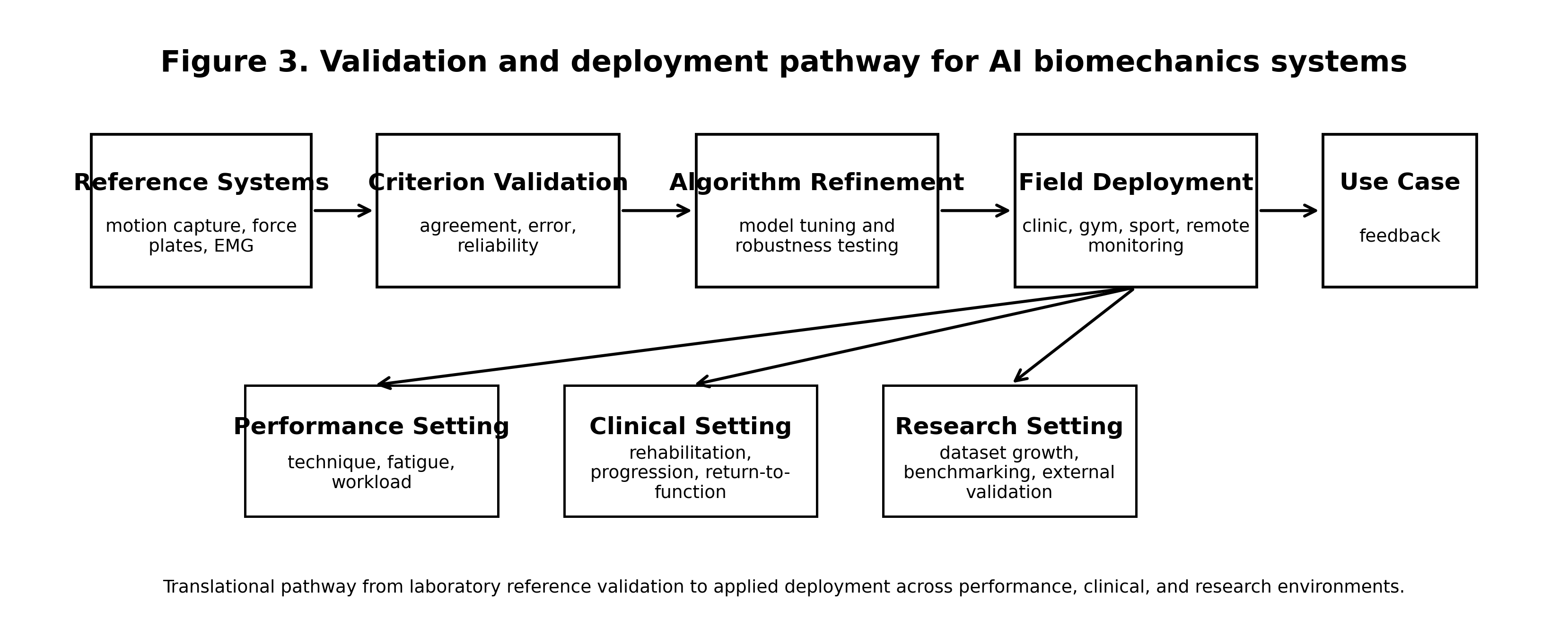
Figure 3 — Validation pathway for clinical and performance deployment
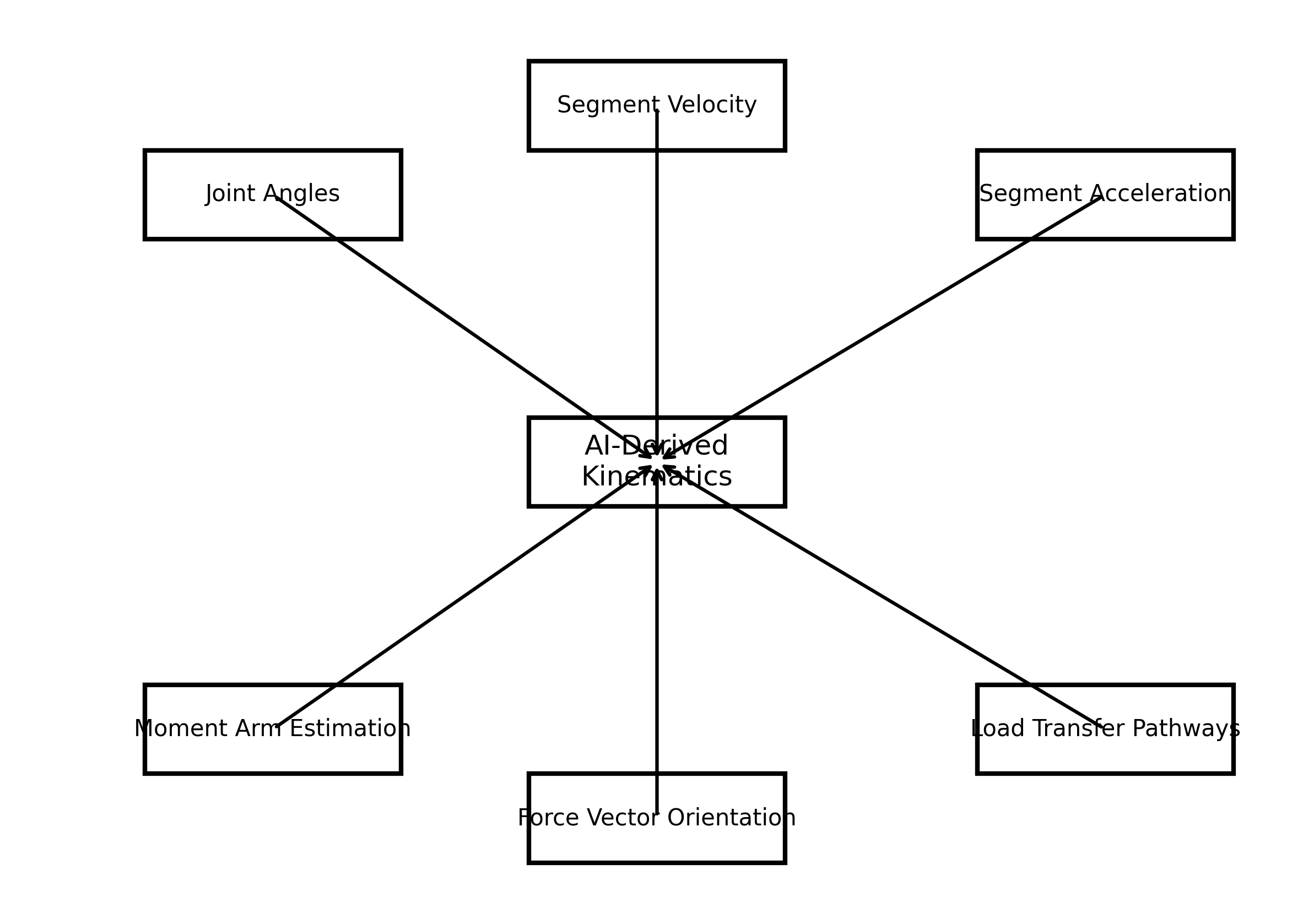
Figure 4 — Mechanical variables derived from AI-based tracking