
JMMBS
Journal of Movement Mechanics & Biomechanics Science

POSITION PAPER
Integrated Biomechanical Framework for the Barbell Back Squat: A 26-Parameter Model for Technique Standardization and Injury Risk Reduction
Authors and Affiliations
MMSx Authority Institute for Movement Mechanics & Biomechanics, Ohio, USA.
 0000-0001-6200-8495
MMSx Authority Institute for Movement Mechanics & Biomechanics, USA.
0009-0005-7485-1427
0009-0005-7485-1427
Clinical Rehabilitation & Sports Biomechanics Specialist, USA.
0009-0008-1412-7076
0009-0008-1412-7076
High Institute of Sport and Physical Education of Sfax, University of Sfax, Tunisia.
0000-0003-1051-6978
0000-0003-1051-6978
Strength & Conditioning Dept, Bodygntx Rehab Institute, USA.
0009-0008-1523-6493
0009-0008-1523-6493
MMSx Authority Institute for Movement Mechanics & Biomechanics Research.
0009-0009-5920-0158
0009-0009-5920-0158
MMSx Authority Institute for Movement Mechanics & Biomechanics Research.
0009-0000-9635-7132
0009-0000-9635-7132
Abstract
Background: The back squat lacks a unified biomechanical framework, contributing to inconsistent instruction and increased injury risk.
Objective: To propose a 26-parameter (A-Z) framework integrating anthropometry, joint mechanics, and real-time biomechanical feedback.
Methods: Synthesis of evidence from 3D motion capture, force-plate kinetics, surface EMG, and IMU data.
Results: Established recommended joint angle ranges and critical fault thresholds (e.g., lumbar flexion >10°, knee valgus >5°).
Conclusion: This structured reference optimizes mechanics and reduces mechanical overload risk during resistance training.
JMMBS ID: JMMBS-2026-001-IBFF-v3-i1
IMSO ID: IMSO-REG-20231015-SQT-26PM
DOI: 10.66078/jmmbs.v3i1.007
IMSO ID: IMSO-REG-20231015-SQT-26PM
DOI: 10.66078/jmmbs.v3i1.007
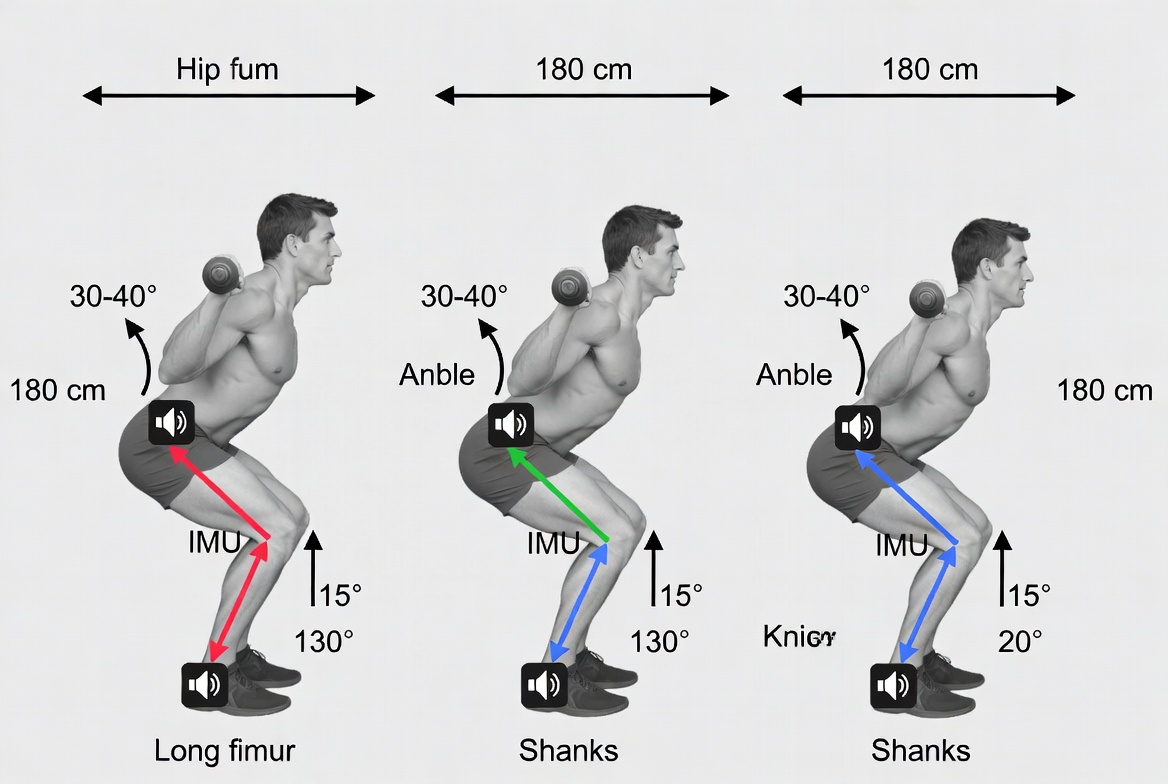
Figure 1. Anthropometric influence on squat mechanics
.jpg)
Figure 2. GRF distribution across stance widths
.jpg)
Figure 3. Ideal vertical bar path trajectory alignment (±3 cm)
.jpg)
Figure 4. Integrated multi-sensor biomechanical monitoring